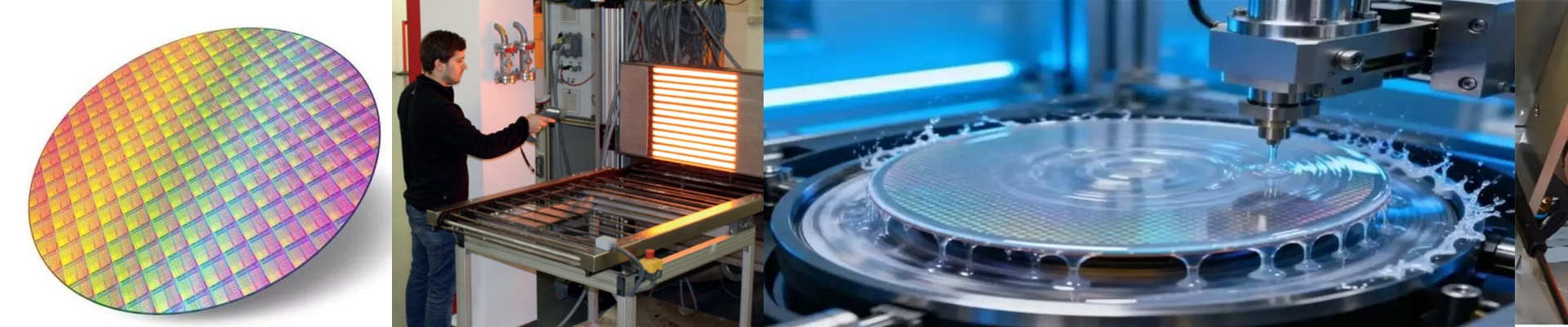
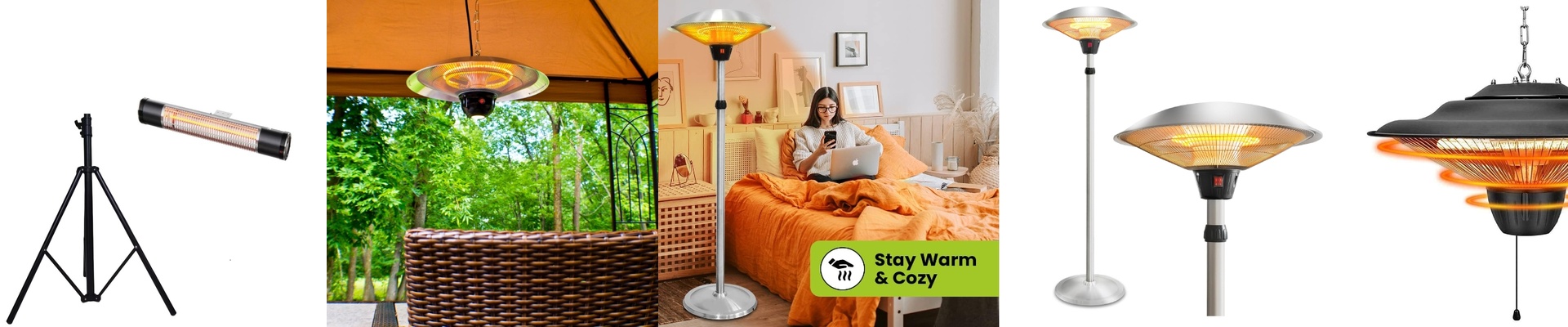
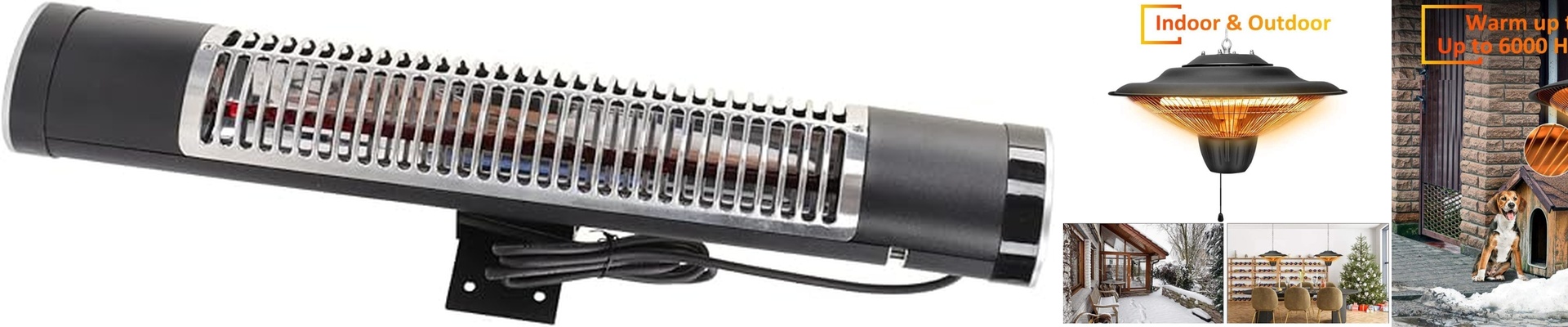
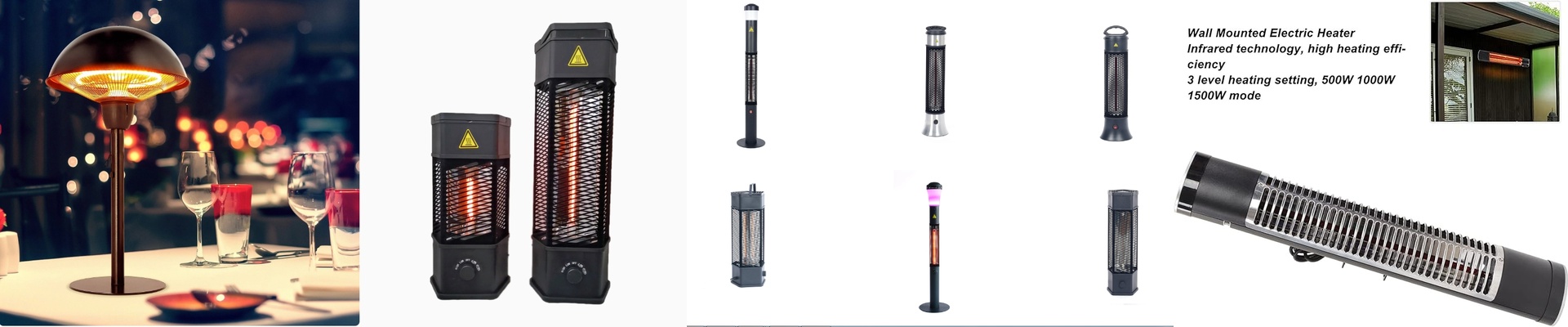
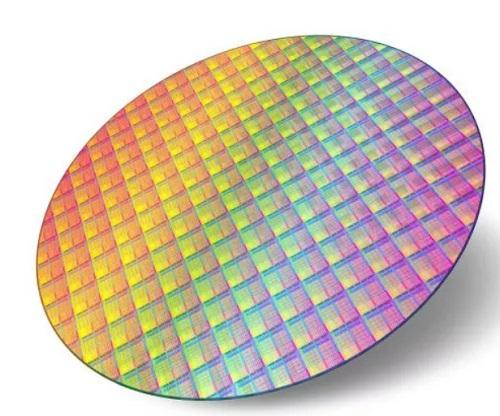
On the fab floor, thermal budget isn’t a suggestion—it’s the contract. A half-degree swing across the wafer is enough to move critical dimensions, throw off doping profiles, and wipe out hours of lithography work. In RTP, that contract runs on the halogen lamp.
What actually matters under the hood
We’re delivering short-wave infrared that couples straight into silicon and photoresist, fast. Filament geometry and reflector alignment are set to hit within-wafer uniformity of ±0.1°C—exactly what you need for sub-nanometer control. The quartz envelope and hermetic terminations keep particle counts below threshold in Class 1–100 cleanrooms.
Power density, voltage, and connector interfaces are specified to drop into your RTP chamber footprint as-is. That’s how you get repeatable soft bake and hard bake profiles without hot spots or cold edges.
Why it holds up on the line
You need temperature stability that survives 24/7 operation, and that’s what these lamps deliver. Output stays stable over 5,000+ hours with minimal drift, so you see fewer unplanned stops and fewer lamp swaps. The payoff is predictable photoresist behavior, tighter CD control, and less energy per batch.
Cleanroom compatibility and zero particle generation protect yield, especially on advanced nodes where one contaminant can kill a wafer.
What to watch during install and run
Installation comes down to precise optical alignment and chamber-specific calibration. If reflectors don’t match or the lamp sits wrong, uniformity falls apart.
Plan for thermal cycling stress on the lamp base and wiring—use rated connectors and stick to torque and clearance specs. And operating at rated voltage is not optional. Overdriving shortens lamp life and shifts the spectrum, which means your thermal profile is no longer trustworthy.
Get the alignment right and drive it within spec, and the lamp keeps the process in control, shift after shift.