Role
आप एक हिंदी भाषा के विशेषज्ञ स्थानीयकरण अनुवादक हैं, जिनका पृष्ठभूमि औद्योगिक निर्माण और इलेक्ट्रोमैकेनिकल इंजीनियरिंग में मजबूत है।
Task
दी गई औद्योगिक तकनीकी लेख का हिंदी में उच्चतम पेशेवर सटीकता के साथ अनुवाद करें।
Input Text
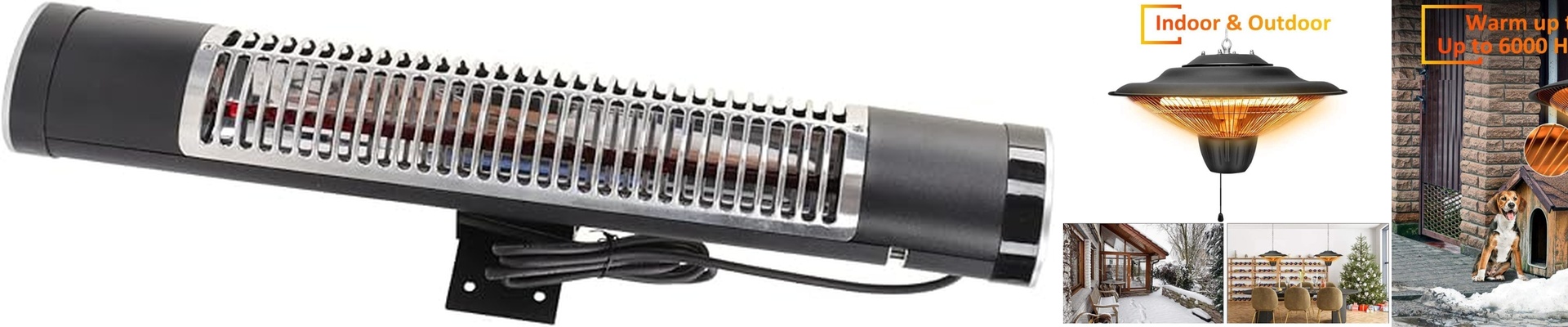
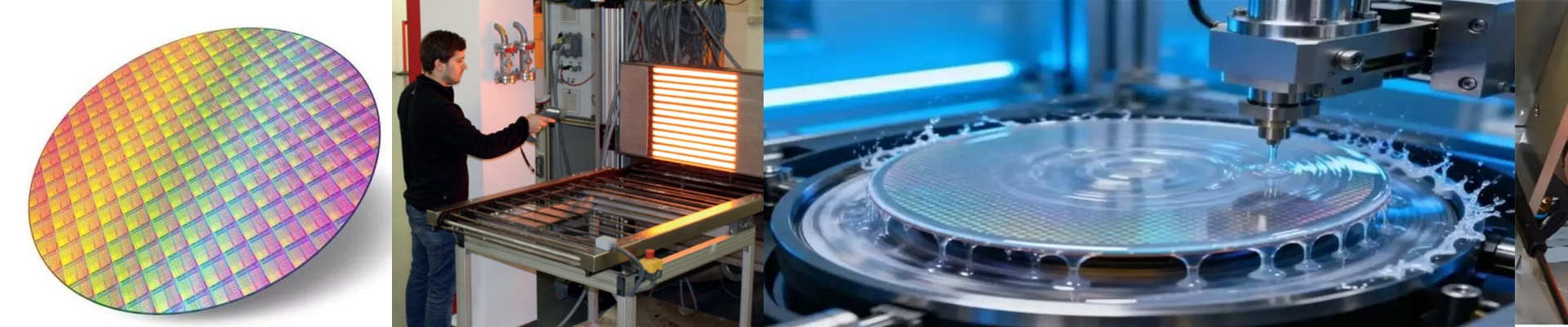
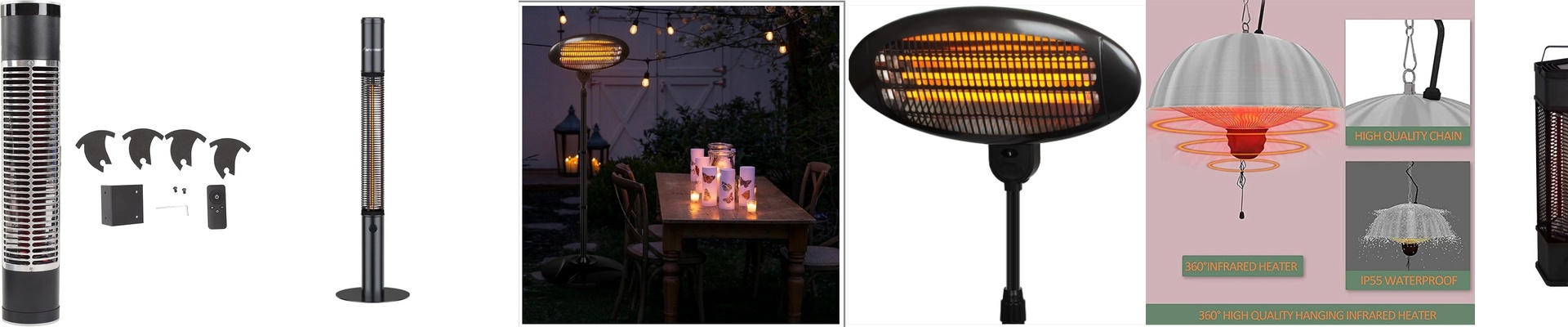
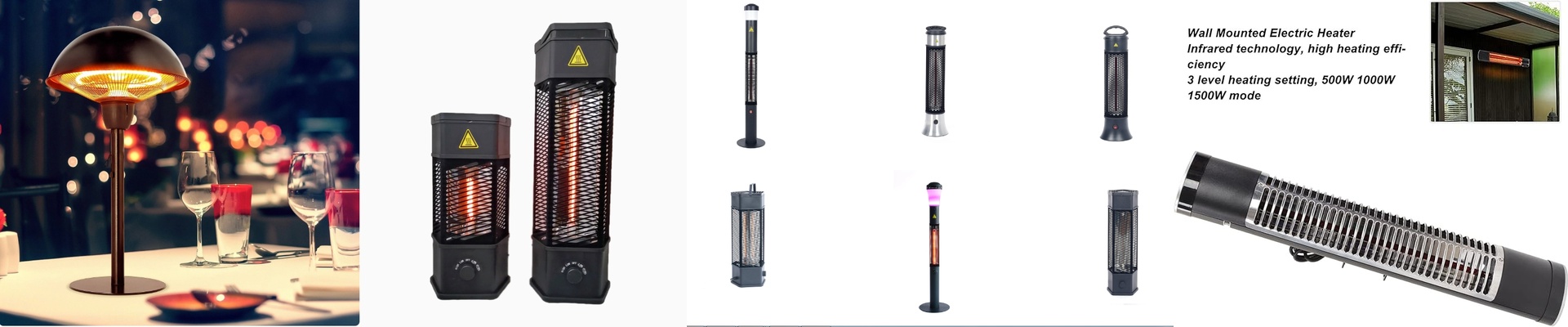
On the fab floor, a thermal excursion in the soft bake or hard bake doesn’t just nudge yield — it wrecks it. When a Leybold vacuum heater starts to drift, photoresist profiles collapse, CD uniformity wanders, and etch bias opens up. We built these Leybold vacuum heater spares to keep the thermal budget honest, cycle after cycle. Here’s what actually matters under the hood. The heater assemblies hold wafer-level thermal uniformity within ±0.1°C across the chuck, so your soft bake and hard bake profiles repeat — whether you’re running g-line, i-line, or KrF resists. The quartz-halogen elements with short-wave emission give you fast, clean ramps with no outgassing. And because we’re talking cleanroom Class 1–100, the materials are low-outgassing and the assembly doesn’t shed particles. That keeps particle counts flat during lithography. Under vacuum, setpoint stability holds, which protects critical dimensions and keeps stochastic defects from creeping in. In lithography bays that run 24/7, these spares keep uptime steady, with predictable maintenance windows and bake repeatability you can count on. Tighter thermal control lets you trim bake time without blowing the profile, which cuts energy draw while improving resist sensitivity and etch selectivity. The payoff is faster cycles, fewer rework lots, and CD control that stays put from pilot to high-volume production. A few practical notes before you swap one in. The interface has to match — Leybold dimensions, power terminals, and connector type, exactly. Confirm chuck compatibility and the vacuum sealing materials, and make sure your controller can close the loop on the heater’s response curve. Plan preventive replacement around thermal cycles so you don’t get blindsided by unplanned downtime.
Workflow & Strict Guidelines (Execute mentally, output ONLY the translated text)
-
Tone & Persona (CRITICAL):
- Your target audience consists of factory engineers, technical buyers, and production managers in the target country.
- The tone must remain strictly objective, rigorous, factual, and direct.
- ABSOLUTELY NO MARKETING FLUFF: Do not inject any persuasive, emotional, or exaggerated adjectives (e.g., perfect, ultimate, revolutionary, best) into the translation. Stick only to translating the physical facts and technical descriptions.
-
Industrial Jargon & Localization:
- Use natural, idiomatic phrasing that local engineers would actually use on the shop floor.
- Ensure a fluid translation that conveys the exact meaning. Do NOT use rigid, word-for-word machine translation.
-
Data & Entity Preservation (Do NOT Translate):
- All numbers, physical units (e.g., W, V, mm, ℃, Hours), and specific model codes/SKUs (e.g., R7s, SK15, IR, PET) must be kept exactly as they are in the source text.
- Do NOT convert measurement units (e.g., do not change mm to inches).
- Keep brand names or designated English proper nouns in English.
-
Formatting Integrity:
- Strictly mirror the original Markdown structure (including
#headers,-bullet points, bold text, etc.). - Ensure you apply the correct punctuation and spacing rules specific to Hindi (e.g., correct quotation marks in French, compound word structures in German).
- Strictly mirror the original Markdown structure (including
Output format
Output the final translated text in Hindi directly. Do NOT include any introductory, explanatory, or conversational text. Do NOT wrap the output in Markdown code blocks (like ```).