



Why Your Bathroom Heater Isn’t Actually Working
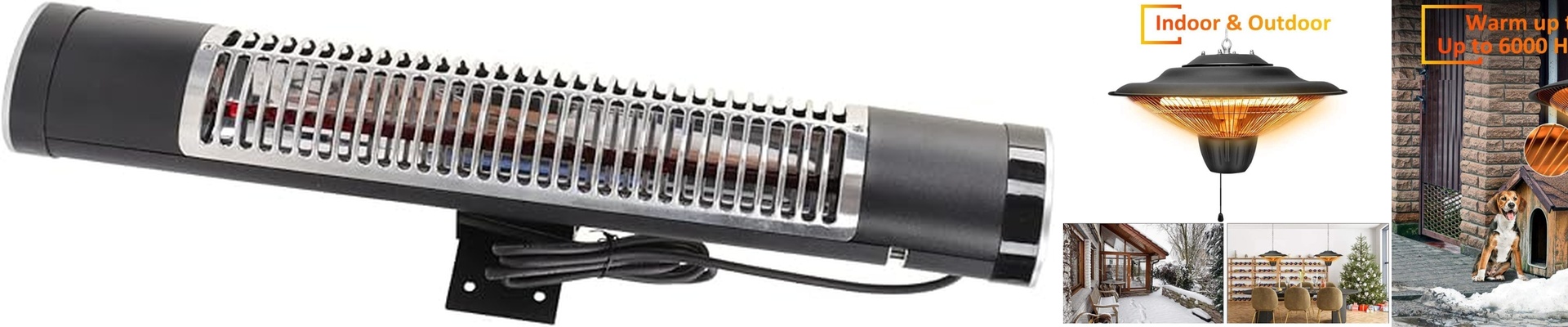
Most bathroom heaters are just blowing warm air around. It feels okay for a second, but you’re basically just pushing steam from one corner of the room to the other. We do things differently. Our infrared lamps don’t care about the air—they go straight for the surfaces.
Drying things out (the smart way)
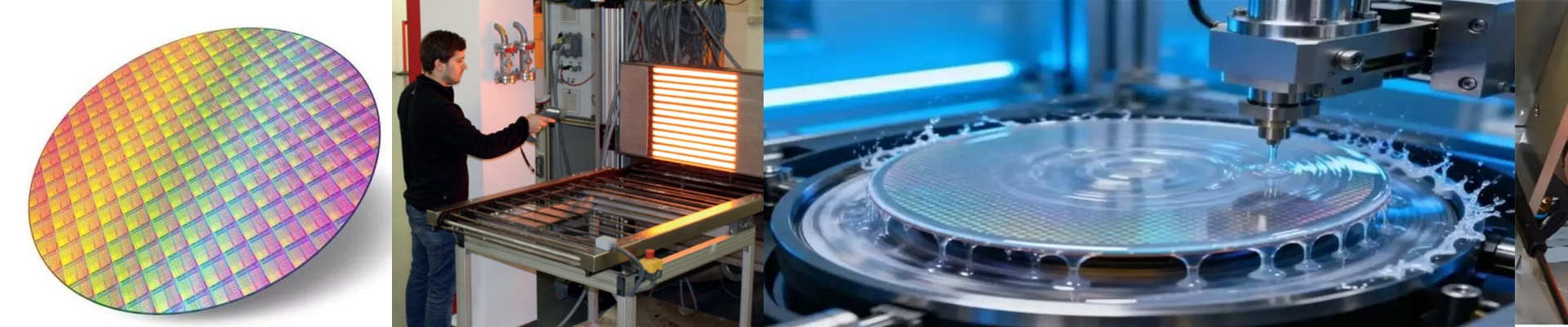
Here is the thing about humidity: it loves to hide in your grout and cling to your walls. Standard heaters can’t really touch that. But infrared is different. It uses specific wavelengths that actually penetrate the moisture. It makes the water molecules on your ceiling and tiles vibrate, which forces them to evaporate way faster. That’s how you actually stop mold. Mold needs a damp, stagnant spot to move in and get comfortable. By drying out those porous surfaces, the lamp basically acts like a secret dehumidifier. It keeps the room dry where it actually matters.
The tricky part
You can’t just slap a high-powered bulb into a steamy room and hope for the best. Steam kills filaments. That’s why we use quartz glass and heavy-duty sealants—it keeps the guts of the lamp safe from the moisture. But there is a catch with the installation. If you mount the unit too low, you’ll end up with annoying hot spots that feel like a heat lamp at a buffet. Too high? And you lose that surface-drying magic. It’s all about finding that sweet spot.
A few tips for the setup
First off, give these units their own dedicated circuit. They pull a lot of power the moment you flip the switch, so you want breakers that can handle that initial hit without tripping. And please, keep the glass clean. Dust and soap scum build up over time, and that film blocks the heat from getting out. If the lens looks cloudy, the lamp isn’t fighting mold anymore—it’s just a fancy lightbulb. Give them a quick wipe once a month and you’re golden.